Home › Postwar to Reiwa · 1950s – today
Godzilla to Ghibli: How Japan Became a Pop Culture Superpower
Quick version
- Godzilla (1954) drew on fears of nuclear weapons and began a monster-film tradition.
- Tezuka Osamu shaped modern manga and anime with Astro Boy.
- Studio Ghibli was founded in 1985; Nintendo's Famicom arrived in 1983.
- Museums and theme parks now make pop culture a major reason to visit Japan.
Today, Japanese manga, anime and games are read, watched and played around the world. Their roots go back a long way, to Edo woodblock prints, to postwar rebuilding, and to a handful of extraordinary creators.
Monsters and metal
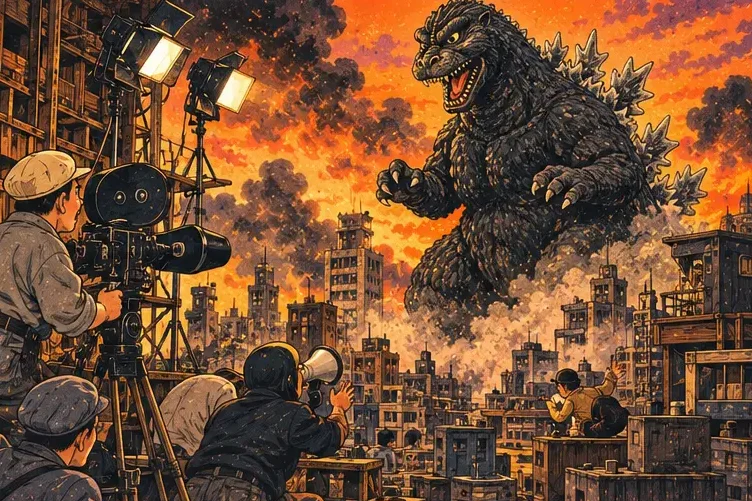
In 1954, director Honda Ishirō and special-effects artist Tsuburaya Eiji released Godzilla. The monster was woken and mutated by nuclear tests, a theme that struck a chord in a country with fresh memories of Hiroshima and Nagasaki. Dozens of sequels followed. Tsuburaya’s techniques (called tokusatsu) also gave birth to TV heroes such as Ultraman.
The god of manga
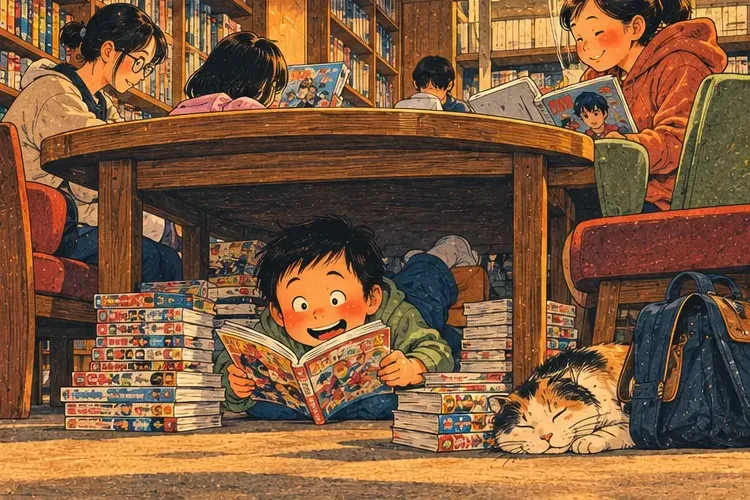
Tezuka Osamu (1928–89) created Astro Boy (manga 1952, TV anime 1963) and shaped manga’s cinematic style and big-eyed characters. Later creators built on him: Doraemon, Dragon Ball, One Piece, Sailor Moon and thousands more.
Ghibli and games
Miyazaki Hayao and Takahata Isao founded Studio Ghibli in 1985. Films such as My Neighbor Totoro and Spirited Away (which won an Oscar in 2003) brought Japanese animation to a wider audience. Meanwhile Nintendo’s Famicom (1983) and companies such as Sony, Sega and Capcom made Japan a video-game giant.
Kawaii and cool
Hello Kitty (1974), maid cafés, Harajuku fashion and the “cool Japan” slogan show how pop culture became a national brand.
See it today
- Ghibli Museum (Mitaka, Tokyo): tickets must be booked in advance.
- Ghibli Park (Aichi): a park built around Ghibli worlds, opened in 2022.
- Kyoto International Manga Museum and Tezuka Osamu Manga Museum (Takarazuka, Hyōgo).
- Nintendo Museum (Uji, Kyoto): opened in 2024; advance booking required.
- Akihabara (Tokyo): shops for games, anime goods and collectibles.
Festival connection
Traditional festivals have inspired many anime scenes. See the Aomori Nebuta and Sendai Tanabata for real-life versions of the scenes you may already know.