Home › Postwar to Reiwa · 1989 – today
Heisei and Reiwa: Disasters, Recovery and a New Emperor
Quick version
- Emperor Akihito's Heisei era began in 1989 and lasted until his abdication on 30 April 2019.
- The 1995 Great Hanshin Earthquake and the 2011 Great East Japan Earthquake shaped national life.
- Naruhito became emperor on 1 May 2019, beginning the Reiwa era.
- Tourism boomed in the 2010s and 2020s, and Osaka hosted Expo 2025.
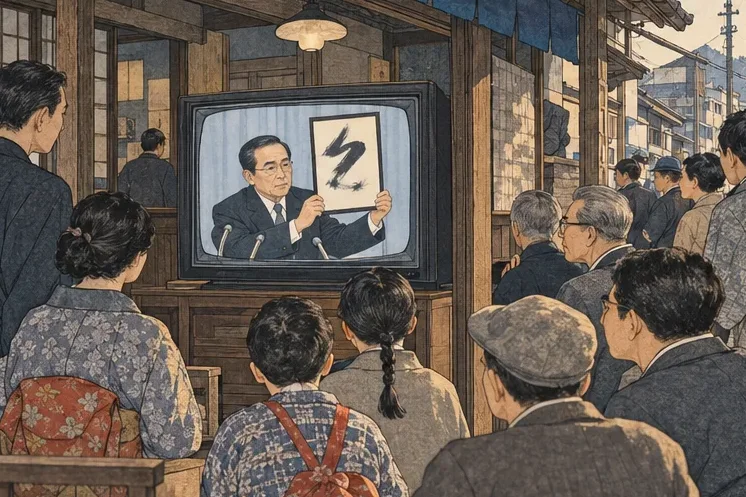
When Emperor Hirohito died in January 1989, his son Akihito became emperor and the era name Heisei (“achieving peace”) began. Japan was at the peak of the bubble. Within two years, the bubble burst and a long period of slow growth began.
1995: a year of shocks
On 17 January 1995 the Great Hanshin (Kōbe) Earthquake killed over 6,000 people. In March a religious group called Aum Shinrikyō released sarin gas on the Tokyo subway. The two events shook the sense of safety that many people felt.
2011: the Great East Japan Earthquake
On 11 March 2011, a magnitude 9.0 earthquake struck off the Tōhoku coast, causing a huge tsunami that killed about 18,000 people. It also caused a nuclear accident at the Fukushima Daiichi power plant. Communities have been rebuilding ever since, and the disaster reshaped Japan’s attitude to energy and disaster preparedness.
Abdication and a new era
In 2016 Emperor Akihito said he found it difficult to continue his duties because of his age. A special law allowed him to abdicate on 30 April 2019, the first abdication in about 200 years. His son Naruhito became emperor on 1 May 2019, beginning the Reiwa era (“beautiful harmony”).
Tourism and today
Visitor numbers hit records in the 2010s, then dropped sharply during the COVID-19 pandemic. The Tokyo Olympics were held in 2021 without foreign spectators, and tourism rebounded strongly in the following years. Expo 2025 took place in Osaka.
See it today
- Iwate Tsunami Memorial Museum (Rikuzentakata) and Great East Japan Earthquake and Nuclear Disaster Memorial Museum (Futaba, Fukushima): honest accounts of the disaster.
- Disaster Reduction and Human Renovation Institution (Kōbe): the 1995 earthquake.
- Tokyo Imperial Palace East Gardens: the heart of the monarchy.
Festival connection
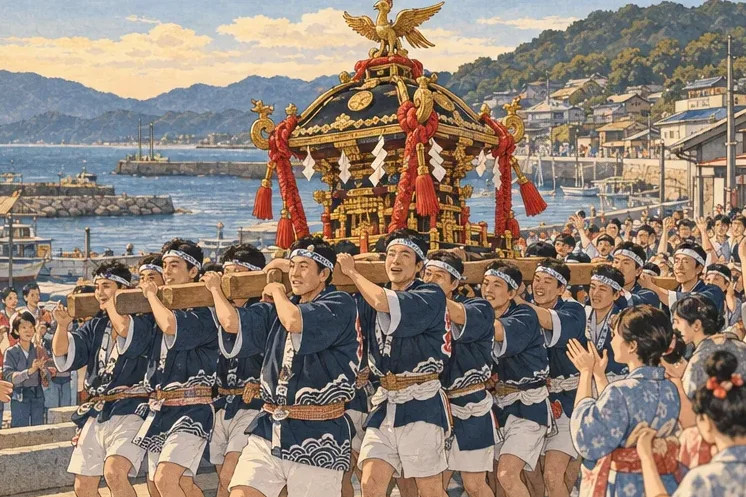
Festivals have been a symbol of recovery in Tōhoku, including the Sendai Tanabata in August. See also the Sōma Nomaoi in Fukushima.