The Meiji Restoration: Samurai Out, Tokyo In
Quick version
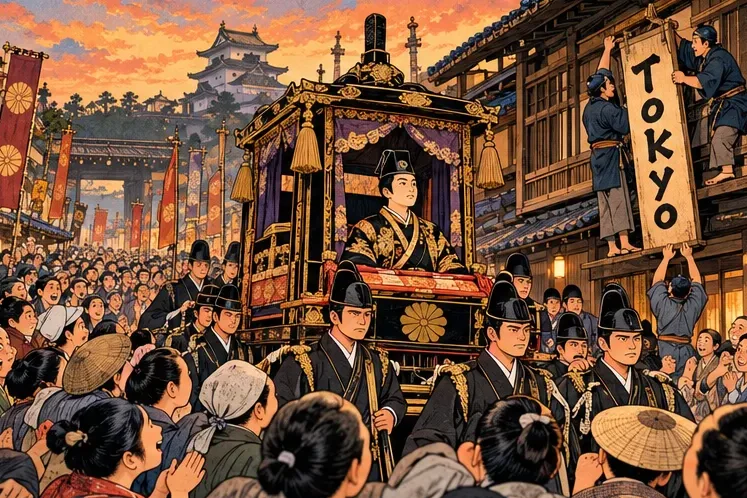
- In 1868 power was 'restored' to Emperor Meiji, and Edo was renamed Tokyo.
- The domains were abolished in 1871 and replaced by prefectures.
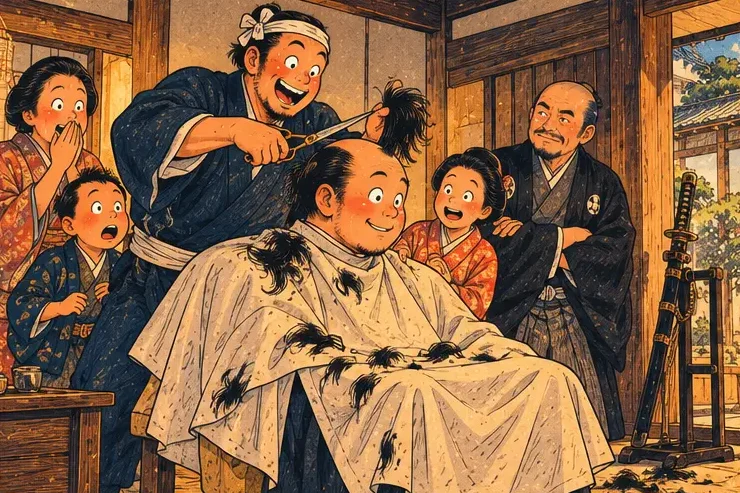
- Samurai lost their privileges: stipends ended and carrying swords was banned (1876).
- Saigō Takamori's Satsuma Rebellion (1877) was the last great samurai revolt.
In 1868 the Tokugawa shogunate was over. Power was said to be restored to the teenage Emperor Meiji (Meiji means “enlightened rule”). The Meiji government, made up of former samurai from Satsuma, Chōshū and other domains, set out to make Japan strong enough to avoid being colonised.
New capital, new rules
- Charter Oath (1868): five promises including “deliberative assemblies” and seeking knowledge worldwide.
- Edo renamed Tokyo (“eastern capital”), and the emperor moved there in 1869.
- Abolition of the domains (1871): the old han became prefectures governed by appointed officials.
- Equality by law: the four-class system ended, though the new nobility (kazoku) was created.
The end of the samurai
The samurai were the government’s greatest problem. Their stipends were costing a fortune. The government:
- introduced conscription in 1873, creating an army of commoners;
- replaced stipends with bonds;
- banned wearing swords in public (Haitōrei, 1876).
Some samurai rebelled. The largest uprising, the Satsuma Rebellion (1877), was led by Saigō Takamori, a hero of the Restoration, and ended in his death. A modern conscript army had beaten the best of the old warriors.
Meiji Shrine
After his death in 1912, Emperor Meiji was enshrined in Meiji Jingū in Tokyo, built in 1920 in a forest planted by volunteers.
See it today
- Meiji Jingū (Shibuya, Tokyo): a forested shrine in the middle of the city.
- Shiroyama (Kagoshima): the hill where Saigō Takamori made his last stand, with a view of Sakurajima volcano.
- Edo-Tokyo Open-Air Architectural Museum: Meiji-era buildings, among others.
Festival connection
Tokyo’s biggest New Year pilgrimage happens at Meiji Jingū: read the hatsumode guide. Kyoto’s Jidai Matsuri parade begins with Meiji Restoration costumes.