Geisha: Myths, Facts and How to Be a Good Visitor
Quick version
- Geisha are trained performers of dance, music and conversation, not courtesans.
- In Kyoto they are called geiko, and trainees are maiko.
- Their districts (hanamachi) grew in Edo-period entertainment quarters.
- Some Kyoto alleys now restrict photography; visitors should keep distance and be polite.
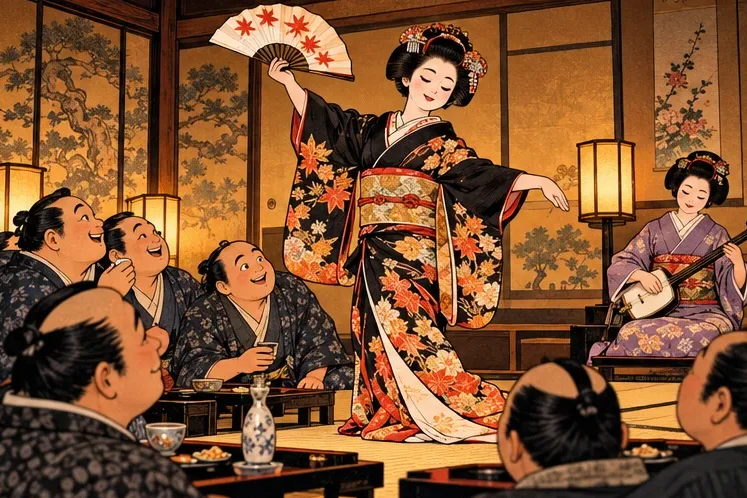
Few images of Japan are more famous than the geisha, and few are more misunderstood. A geisha (芸者, “person of the arts”) is a trained professional in traditional dance, music (shamisen), singing and conversation. In Kyoto they are called geiko; trainees are maiko.
Geisha vs courtesans
In the Edo period, the government licensed pleasure quarters such as Yoshiwara in Edo. Courtesans (oiran) worked there. Geisha emerged in the 1700s as entertainers who performed at banquets and teahouses. They were officially not allowed to compete with courtesans, and the profession developed its own identity centred on artistic skill.
The flower-and-willow world
Geisha live and work in districts called hanamachi. Kyoto has five: Gion Kōbu, Gion Higashi, Pontochō, Kamishichiken and Miyagawa-chō. Entertainment takes place at ochaya (teahouses), typically by introduction.
A maiko’s training takes years, with lessons in dance, music, tea and etiquette. Seasonal kimono and hair ornaments change month by month.
Being a good visitor
Geisha districts are workplaces and neighbourhoods:
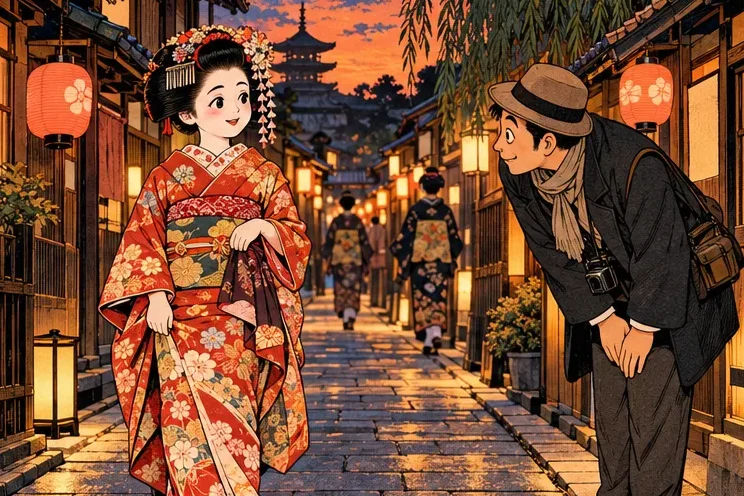
- Do not chase, block or grab geiko or maiko for photos.
- Some private alleys in Gion now ban photography, with fines. Follow the signs.
- Keep to public streets, be quiet at night, and do not enter private doorways.
- Dressing up as a maiko is a popular experience, but wearing it respectfully matters. Several studios in Kyoto offer it.
- To see a performance, join an organised show or a restaurant-and-geiko evening arranged through a reputable agency, rather than trying to find a teahouse yourself.
See it today
- Gion (Kyoto): Hanamikōji street, Shirakawa canal and the Gion Corner area.
- Pontochō (Kyoto): a narrow lantern-lit alley by the Kamo River.
- Kanazawa: the Higashi, Nishi and Kazuemachi teahouse districts, quieter than Kyoto.
- Seasonal dances: the Miyako Odori (April) in Gion Kōbu and Kamogawa Odori (May) in Pontochō are public stage shows; tickets are not hard to get.
Festival connection
Kyoto’s Baikasai Plum Festival (February) is a lovely way to see geiko in public, serving tea to visitors. The Gion Matsuri fills the geisha district with floats every July.