Home › Meiji · Ancient times – today
Hokkaidō and the Ainu: History from the North
Quick version
- The Ainu are the Indigenous people of Hokkaidō and nearby islands, with their own language, religion and arts.
- Under the Tokugawa, the Matsumae domain traded with the Ainu, often unfairly.
- In 1869 Ezo was renamed Hokkaidō and colonised; assimilation policies suppressed Ainu culture.
- Japan officially recognised the Ainu as an Indigenous people in 2019, and the Upopoy museum opened in 2020.
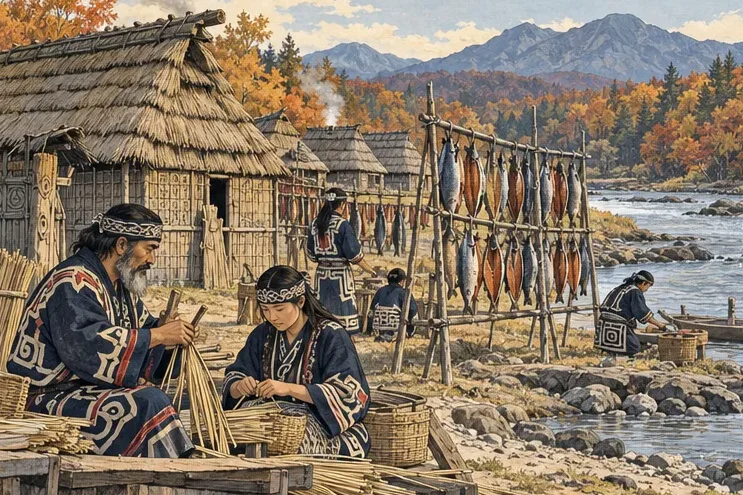
Hokkaidō has long been home to the Ainu, the Indigenous people of northern Japan, as well as the Kuril Islands and southern Sakhalin. Their culture centres on respect for kamuy (spirits and gods that live in animals, plants and natural features), and they developed a rich oral literature, intricate embroidery and woodcarving. Their language is unrelated to Japanese.
Before 1868
During the Edo period, the Matsumae domain at the southern tip of Hokkaidō held a monopoly on trade with the Ainu. Over time the terms of trade turned increasingly unfair, and Ainu communities rose in rebellion several times, notably Shakushain’s Revolt (1669) and the Kunashir-Menashi Rebellion (1789).
After 1869
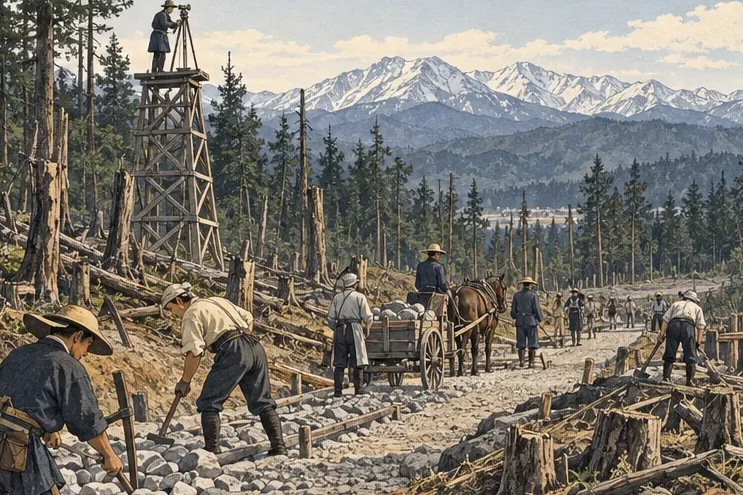
The Meiji government renamed the island Hokkaidō and set up a Colonisation Commission (Kaitakushi). Settlers arrived from the rest of Japan, many of them former samurai in militia-farmer units (tondenhei). Land was taken, hunting and fishing rights were restricted, and in 1899 the Hokkaido Former Aborigines Protection Act pushed assimilation, discouraging Ainu language and customs. Many Ainu suffered poverty and discrimination.
Recognition
In 2008 the Diet formally recognised the Ainu as an Indigenous people. A 2019 law did so in statute, and in 2020 the Upopoy National Ainu Museum and Park (the name means “singing together” in Ainu) opened in Shiraoi. Ainu traditional dance has been on UNESCO’s list of intangible cultural heritage since 2009.
Visiting respectfully
Choose museums and cultural experiences run with Ainu participation, learn a few Ainu words (irankarapte is a greeting), buy crafts from Ainu artists, and be thoughtful about how you photograph people.
See it today
- Upopoy (Shiraoi, Hokkaidō): museum, traditional village and demonstrations; about an hour from New Chitose Airport.
- Nibutani (Biratori): a village with a strong Ainu cultural presence and a museum.
- Hokkaido Museum (Sapporo) and the Historical Village of Hokkaido: settlement-era history.
- Akan-ko Ainu Kotan (Kushiro): a cultural village run by Ainu communities.
Festival connection
Sapporo and Otaru host famous winter events: the Sapporo Snow Festival and Otaru Yuki Akari no Michi. Summer brings the YOSAKOI Soran Festival.