Home › Muromachi · 1336 – 1573
Gold, Silver, Tea and Noh: The Culture That Defines 'Japanese Taste'
Quick version
- Shogun Yoshimitsu built the Golden Pavilion (Kinkaku-ji) in the 1390s.
- Yoshimasa's Silver Pavilion (Ginkaku-ji) inspired the 'Higashiyama culture'.
- Noh theatre, tea ceremony, ikebana and ink painting all blossomed.
- Zen gardens like Ryōan-ji use rock and gravel instead of plants and water.
The Ashikaga shoguns were not great at keeping the country orderly, but they were wonderful patrons of the arts. Much of what we call “traditional Japanese culture” comes from the Muromachi period.
Kinkaku-ji and the Kitayama culture
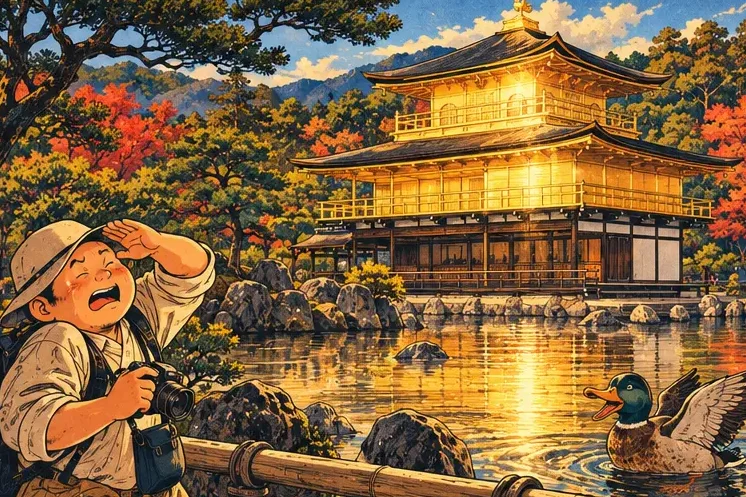
Shogun Ashikaga Yoshimitsu (1358–1408) built a luxurious retreat in northern Kyoto, with a three-storey pavilion covered in gold leaf: Kinkaku-ji, the Golden Pavilion. The courtly, brilliant style of his age is called Kitayama culture. Yoshimitsu also supported Noh and traded with Ming China.
Noh theatre
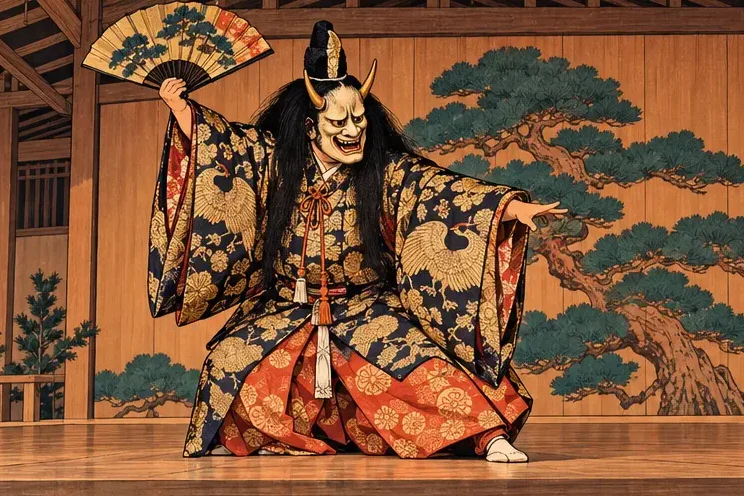
Kan’ami and his son Zeami shaped Noh into a refined, symbolic art, with masked actors, slow movement and haunting music. Zeami also wrote essays on acting. Short comic plays called kyōgen are performed between Noh plays.
Ginkaku-ji and the Higashiyama culture
Eighth shogun Ashikaga Yoshimasa built Ginkaku-ji, the Silver Pavilion, in the 1480s, in the hills of eastern Kyoto. It was never covered in silver, but the name stuck. Around it grew Higashiyama culture, a quieter taste for simplicity and subtle beauty (wabi-sabi). Its features became classics:
- Tea ceremony (chanoyu), later perfected by Sen no Rikyū.
- Shoin-zukuri rooms with tatami floors, sliding screens (fusuma) and alcoves (tokonoma).
- Ikebana flower arranging.
- Ink painting (suibokuga) by painters such as Sesshū.
Zen gardens
Zen temples built dry-landscape gardens (karesansui), which use raked gravel and stones to suggest oceans and mountains. The one at Ryōan-ji has fifteen stones in a gravel rectangle, and from any angle you can see only fourteen at once.
See it today
- Kinkaku-ji, Ginkaku-ji and Ryōan-ji (Kyoto): the classic trio.
- Daitoku-ji (Kyoto): a complex of Zen sub-temples with gardens.
- Noh performances: held at Kyoto and Tokyo theatres, some with English synopses.
Festival connection
Kyoto’s Gozan Okuribi lights five giant bonfires on the surrounding mountains every August, and the Gion Matsuri was revived in this era after the Ōnin War.